



vfc variable frequency controller
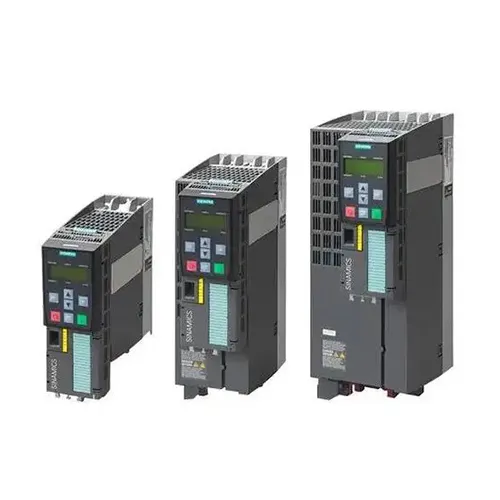
The Indispensable Role of vfd manufacturers in Modern Industry In the landscape of industrial automation, Variable Frequency Drives (VFDs) stand as critical components for optimizing motor control, enhancing energy efficiency, and improving process precision. These sophisticated electronic devices regulate the speed and torque of AC electric motors by varying the input frequency and voltage. The expertise and innovation of variable frequency drives manufacturers are foundational to a vast array of sectors, from heavy industry to delicate manufacturing processes. Modern industrial operations demand not only robust performance but also intelligent control systems. As such, leading industrial automation suppliers, including many prominent vfd manufacturers , often complement their core product lines with advanced safety modules like Fail-safe Digital Expansion Modules. These integrated solutions underscore a comprehensive approach to industrial safety and operational integrity, enabling sophisticated, interconnected systems that prioritize both productivity and personnel protection. Understanding the capabilities and offerings of these manufacturers is key for B2B decision-makers seeking reliable, high-performance industrial solutions. Navigating Industry Trends in Variable Frequency Drives The market for VFDs is dynamic, continually evolving to meet increasing demands for efficiency, connectivity, and intelligence. Key trends shaping the strategies of variable frequency drive supplier companies include: Energy Efficiency and Sustainability: With rising energy costs and environmental concerns, the emphasis on VFDs that offer superior energy savings through advanced algorithms and regenerative capabilities is paramount. Manufacturers are focusing on reducing power losses within the drive itself and optimizing motor performance across varying loads. IIoT and Industry 4.0 Integration: The integration of VFDs into Industrial Internet of Things (IIoT) ecosystems is a major trend. This involves equipping VFDs with advanced communication protocols (e.g., EtherNet/IP, PROFINET, Modbus TCP/IP) for seamless data exchange, remote monitoring, predictive maintenance, and cloud-based analytics. Miniaturization and Modular Design: Space optimization in control cabinets is a constant challenge. Manufacturers are developing more compact VFDs and modular designs that allow for flexible configurations, easier installation, and simplified maintenance. Enhanced Safety Features: Modern VFDs increasingly incorporate integrated safety functions, such as Safe Torque Off (STO), Safe Stop 1 (SS1), and Safe Limited Speed (SLS), directly into the drive hardware and firmware. This simplifies safety system architectures and enhances machine safety, a critical consideration for any vfd manufacturers focused on high-compliance industries. Harmonic Mitigation and Power Quality: The proliferation of non-linear loads, including VFDs, can introduce harmonic distortion into the power grid. Advanced VFDs are now designed with active front-end (AFE) technologies or integrated harmonic filters to minimize total harmonic distortion (THD), ensuring better power quality and compliance with IEEE 519 standards. The Rigorous Manufacturing Process of VFDs The creation of a high-performance VFD involves a complex, multi-stage manufacturing process, demanding precision engineering, advanced material science, and stringent quality control at every step. Reputable vfd manufacturers adhere to internationally recognized standards to ensure product reliability and longevity. VFD Manufacturing Process Flow: 1. Design and R&D: This initial phase involves conceptualization, circuit design (power electronics, control logic), firmware development, thermal management, and mechanical enclosure design using advanced CAD/CAE tools. Emphasis is placed on optimizing efficiency, power density, and control algorithms. 2. Component Sourcing and Verification: High-quality components are critical. This includes Insulated Gate Bipolar Transistors (IGBTs), capacitors (DC link, film), microcontrollers, resistors, and transformers. Strict vendor qualification and incoming quality control (IQC) ensure components meet specifications and reliability standards. 3. PCB Fabrication and Assembly: Printed Circuit Boards (PCBs) for control and power sections are manufactured with precision, followed by automated Surface Mount Technology (SMT) and Through-Hole Technology (THT) assembly processes for component population. Robotic inspection ensures solder joint integrity. 4. Power Module Assembly: This critical stage involves the assembly of the power semiconductor modules (typically IGBTs), heatsinks, and DC link capacitors. Advanced thermal interface materials are used to ensure efficient heat dissipation. Precision mounting and torque control are crucial. 5. Enclosure Fabrication: VFD enclosures are designed for robust protection against environmental factors. Materials used include sheet steel (often powder-coated for corrosion resistance), aluminum, or specialized composites. Processes like CNC machining, laser cutting, and precision forming are employed to create precise, durable casings that meet IP (Ingress Protection) and NEMA (National Electrical Manufacturers Association) ratings. For demanding industries like petrochemicals or water treatment, specialized coatings or stainless steel variants ensure enhanced corrosion resistance. 6. Final Assembly and Wiring: All sub-assemblies (PCBs, power modules, cooling systems, I/O terminals) are integrated into the enclosure. Internal wiring is meticulously routed and secured, adhering to safety and EMC (Electromagnetic Compatibility) guidelines. 7. Rigorous Testing and Quality Control: This is a multi-layered process ensuring compliance with global standards such as ISO 9001 for quality management, UL (Underwriters Laboratories) for safety, CE (Conformité Européenne) for European conformity, and ANSI (American National Standards Institute) for performance. Functional Testing: Each VFD undergoes full load and partial load testing to verify output voltage, current, frequency, and control accuracy. Safety Testing: Dielectric strength tests, ground bond tests, and insulation resistance tests are performed to ensure electrical safety. Environmental Stress Testing: Drives are subjected to temperature cycles, humidity tests, and vibration tests to simulate real-world conditions and ensure robust performance over their expected service life (typically 10-15 years under normal operating conditions). EMI/EMC Testing: To ensure the drive does not interfere with other electronic equipment and is resistant to external electromagnetic disturbances. 8. Packaging and Shipment: After passing all tests, VFDs are securely packaged, often with desiccant packs, to prevent damage and moisture ingress during transport. Technical Specifications and Parameters of Modern VFDs Understanding the technical specifications is paramount for selecting the right VFD. Reputable variable frequency drives manufacturers provide comprehensive data sheets. Here's an overview of key parameters: Typical VFD Product Specifications (Example): Parameter Description Typical Range/Value Input Voltage Nominal AC voltage supply to the VFD. 200-240V (Single/Three-phase), 380-480V (Three-phase), 500-690V (Three-phase) Output Voltage Voltage supplied to the motor, proportional to frequency. 0 - Input Voltage (adjustable) Output Frequency Range Adjustable frequency range for motor speed control. 0 - 400 Hz (Standard), up to 1200 Hz (High-speed spindles) Control Method Algorithm used to control motor speed and torque. V/Hz (Scalar), Sensorless Vector Control (SVC), Closed-Loop Vector Control (FVC), Direct Torque Control (DTC) Overload Capability Temporary current handling capacity above nominal. 150% for 60 seconds (Heavy Duty), 110% for 60 seconds (Light Duty) Protection Features Built-in safeties to protect the VFD and motor. Overcurrent, Overvoltage, Undervoltage, Overheat (Motor/Drive), Ground Fault, Short Circuit, Phase Loss Communication Interfaces Protocols for integration with control systems. Modbus RTU, EtherNet/IP, PROFINET, PROFIBUS, CANopen, DeviceNet Enclosure Rating Protection against solids and liquids. IP20 (Open Type), IP54 (Dust & Splash Proof), IP66 (Washdown), NEMA 1, 12, 4X Operating Temperature Ambient temperature range for safe operation. -10°C to +50°C (with derating above 40°C) These parameters directly impact a VFD's suitability for specific applications, influencing performance, reliability, and total cost of ownership. For instance, the choice between V/Hz control and sensorless vector control depends heavily on the required torque response and speed accuracy. Key Advantages of Advanced VFDs for Industrial Applications The strategic deployment of VFDs from reliable variable frequency drive supplier companies delivers a multitude of benefits, critical for modern industrial operations. Significant Energy Savings: This is arguably the most compelling advantage. Motors operating at less than full speed drastically reduce power consumption. For centrifugal loads (pumps, fans), power consumed is proportional to the cube of the speed. A 20% reduction in speed can lead to nearly a 50% reduction in energy consumption, leading to rapid ROI. For example, in a typical industrial facility, VFDs can reduce energy consumption by 20-50% in motor-driven applications. Enhanced Process Control and Accuracy: VFDs provide precise speed and torque control, allowing processes to run at optimal parameters. This is crucial for applications requiring exact flow rates, pressure control, or synchronized movements, improving product quality and reducing waste. Extended Equipment Life: By eliminating harsh starting currents (up to 6-8 times FLA for direct-on-line motors) and allowing for smooth acceleration/deceleration, VFDs reduce mechanical stress on motors, gearboxes, and connected machinery. This significantly extends the service life of equipment and reduces wear and tear. Reduced Maintenance and Downtime: Less mechanical stress translates to fewer breakdowns and lower maintenance requirements. Predictive maintenance features, often integrated into modern VFDs, can also alert operators to potential issues before they cause costly downtime. Improved Safety: Controlled acceleration and deceleration, along with integrated safety functions (e.g., STO), contribute to a safer operational environment, protecting both personnel and equipment. Corrosion Resistance: For target industries like petrochemicals, wastewater treatment, and marine applications, VFDs are available with specialized enclosures (e.g., NEMA 4X, IP66) made from stainless steel or marine-grade aluminum, offering superior resistance to corrosive agents, moisture, and harsh chemicals. This ensures long-term reliability in aggressive environments. Lower Acoustic Noise: Operating motors at optimal speeds can reduce operational noise, contributing to a more comfortable and compliant work environment. Application Scenarios Across Target Industries The versatility of VFDs makes them indispensable across a wide spectrum of industrial applications. Leading vfd manufacturers design products with specific industry challenges in mind, offering tailored solutions. Petrochemical Industry: VFDs control pumps (e.g., centrifugal, positive displacement), compressors, and mixers. Advantages: Energy saving by matching pump speed to demand, precise flow control, and extended pump/valve life. Corrosion resistance is paramount due to exposure to aggressive chemicals and harsh outdoor conditions. Metallurgy: Critical for rolling mills, cranes, conveyors, and furnaces. Advantages: High starting torque, precise speed synchronization for rolling processes, and regenerative braking for heavy loads like cranes, significantly reducing energy consumption. Water Supply & Drainage: Widely used in water pumps, blowers for aeration, and filtration systems. Advantages: Enormous energy savings by adjusting pump speed to variable water demand or tank levels, reducing pipe pressure fluctuations, and minimizing water hammer. VFDs with high IP ratings (e.g., IP66) ensure corrosion resistance and reliability in wet, humid, or outdoor environments. HVAC Systems: Controls fans, chillers, and compressors in commercial and industrial buildings. Advantages: Optimized air flow and temperature control, reduced noise, and substantial energy savings by matching motor speed to heating/cooling demand. Food & Beverage: Used for conveyors, mixers, pumps, and bottling lines. Advantages: Precise speed control for delicate processes, sanitary design options (washdown duty VFDs), and energy efficiency. Vendor Comparison: Selecting the Right Variable Frequency Drive Supplier Choosing the optimal variable frequency drives manufacturers involves a comprehensive evaluation beyond just price. Decision-makers should consider the following: Product Range and Technology Portfolio: Does the vendor offer a full spectrum of VFDs (low voltage, medium voltage, general purpose, industrial specific) and complementary products (e.g., harmonic filters, braking resistors, or even fail-safe digital expansion modules)? R&D Capability and Innovation: A forward-thinking manufacturer invests in R&D, offering cutting-edge features like advanced control algorithms, enhanced communication options, and integrated safety. Quality and Certifications: Look for adherence to international quality standards (ISO 9001), product safety certifications (UL, CE, CSA), and industry-specific compliance (e.g., marine certifications, ATEX for hazardous areas). Authoritativeness is built on verifiable compliance. Global Presence and Support Network: Availability of local sales, service, and technical support is crucial for installation, commissioning, and ongoing maintenance. Customization Capabilities: The ability to tailor VFDs for specific application requirements (e.g., custom firmware, specialized enclosures, unique communication protocols). Total Cost of Ownership (TCO): Beyond the initial purchase price, consider energy savings, maintenance costs, expected service life, and potential for downtime. Experience and Track Record: Longevity in the market and a strong portfolio of successful installations and client testimonials demonstrate a proven track record. Comparative Features of Leading VFD Options (Illustrative): Feature/Aspect Option A (Premium Industrial) Option B (General Purpose) Option C (Specialized/OEM) Control Performance Advanced FVC/DTC, high dynamic response, 0-speed torque SVC/V/Hz, good speed regulation, basic torque Custom algorithm for specific motor/load type, tailored control loop Harmonic Mitigation Integrated AFE or <5% THDi with passive filter option Standard 6-pulse rectifier, external filter often required Optimized for specific grid conditions, often integrates AFE Integrated Safety SIL 3 / PLe (STO, SS1, SLS), built-in STO (SIL 2 / PLd) as standard, others external Tailored safety functions per application risk assessment Connectivity Multi-protocol Ethernet, cloud integration, web server Modbus RTU, optional fieldbus modules Specific OEM protocols, dedicated I/O for machine integration Environmental Ratings IP54 / NEMA 12 (standard), IP66 / NEMA 4X options IP20 / NEMA 1 (standard), requires enclosure for higher ratings Custom ruggedization for extreme temperatures, vibrations, chemicals Customization Firmware options, configurable I/O, advanced programming Basic parameter adjustments, limited customization Extensive hardware/firmware modification, branding, dedicated support Customized Solutions from Leading VFD Manufacturers Beyond standard off-the-shelf products, many advanced variable frequency drives manufacturers excel in providing highly customized solutions to meet unique industrial challenges. This level of flexibility is often a deciding factor for complex projects or OEM integration. Tailored Firmware and Software: Modifying the VFD's internal control logic to optimize performance for specific motor types, load characteristics, or process sequences. This can include custom application macros, specialized protection schemes, or integrated PLC-like functionalities. Specific Enclosure Designs: Beyond standard IP/NEMA ratings, manufacturers can design custom enclosures for extreme environments, compact spaces, or specific mounting requirements. This includes liquid-cooled VFDs, drives for hazardous locations (explosion-proof), or fully integrated panel solutions. Integrated Control Systems: Providing VFDs as part of a larger control system, pre-configured with HMI, external I/O, and safety components, reducing integration efforts for the end-user or OEM. Specialized Communication Protocols: While standard industrial Ethernet and fieldbus protocols are common, some applications require legacy or highly specialized communication interfaces. Manufacturers can integrate these to ensure seamless connectivity with existing plant infrastructure. OEM Partnerships: Working closely with Original Equipment Manufacturers (OEMs) to develop VFDs that are perfectly matched to their machinery, often with custom branding and long-term support agreements. This collaborative approach ensures that the VFD is not just a component, but an integral, optimized part of the overall industrial system, maximizing both performance and efficiency. Real-World Application Case Studies The practical impact of advanced VFDs from reliable vfd manufacturers is best illustrated through real-world applications demonstrating tangible benefits. Case Study 1: Energy Optimization in a Municipal Water Treatment Plant Challenge: A large municipal water treatment plant in North America faced escalating energy costs due to fixed-speed pumps operating continuously, regardless of actual water demand fluctuations. This led to significant energy waste and unnecessary wear on the pumping infrastructure. Solution: The plant replaced direct-on-line starters with high-efficiency VFDs on their main raw water intake pumps and distribution pumps. The VFDs were integrated with the plant's SCADA system, allowing pump speeds to be dynamically adjusted based on real-time demand and reservoir levels. Results: Over an 18-month period, the plant achieved an average energy saving of 35%, translating to over $500,000 annually. The smoother operation also reduced maintenance on pumps and valves by 20%, extending equipment life and decreasing operational costs. The VFDs, supplied by a leading variable frequency drive supplier specializing in municipal applications, featured IP66 enclosures, ensuring reliable performance in the humid and often wet pump station environment. Case Study 2: Precision Control in a Steel Rolling Mill Challenge: A European steel manufacturer required extremely precise speed synchronization across multiple rolling stands to ensure consistent product thickness and quality, particularly for specialty alloys. Traditional DC drives were proving difficult to maintain and lacked the precision needed for new production lines. Solution: High-performance, medium-voltage VFDs with advanced closed-loop vector control were installed on each rolling mill motor. These VFDs were equipped with robust communication interfaces to synchronize speeds within milliseconds, compensated for varying load conditions, and provided high starting torque. Results: The new VFD system allowed for a 15% increase in production speed while simultaneously improving product thickness consistency by 8%. Waste due to off-spec material was reduced by 10%. The regenerative braking capability of the VFDs also returned excess energy to the grid, contributing to overall energy efficiency and system stability in a demanding metallurgical environment. Case Study 3: Enhanced Safety and Reliability in a Petrochemical Facility Challenge: A petrochemical plant needed to upgrade its motor control systems for critical pumps and compressors to improve operational safety and reduce the risk of downtime in a hazardous, corrosive environment. Traditional VFDs often required complex external safety circuits. Solution: The plant selected VFDs from a trusted vfd manufacturers that integrated SIL 3-rated Safe Torque Off (STO) and Safe Limited Speed (SLS) functions. These VFDs also featured NEMA 4X rated stainless steel enclosures, specifically designed to resist the highly corrosive atmosphere of the facility. The control system was simplified by leveraging the VFD's internal safety functions. Results: The integrated safety features streamlined machine safety design, reducing wiring complexity and potential failure points. Plant safety audits showed a measurable improvement in operational risk profiles. Furthermore, the robust, corrosion-resistant VFDs demonstrated superior reliability and an extended service life compared to previous units, leading to reduced maintenance and increased uptime in a challenging industrial setting. Trustworthiness & Support Frequently Asked Questions (FAQ) Q: What is the typical lifespan of a VFD? A: With proper installation, environmental conditions, and maintenance, a high-quality VFD from reputable vfd manufacturers can have a service life of 10-15 years, and often longer. Key factors affecting lifespan include ambient temperature, humidity, power quality, and preventive maintenance. Q: How do VFDs save energy? A: VFDs save energy by adjusting the speed of the motor to match the actual load requirement. For many applications (like pumps and fans), reducing motor speed even slightly can lead to significant energy savings, as power consumption is proportional to the cube of the speed (affinity laws). Q: Are VFDs suitable for all types of motors? A: VFDs are primarily designed for controlling AC induction motors. They can also be used with permanent magnet motors and synchronous reluctance motors, often requiring specific control algorithms. It's crucial to ensure the VFD is compatible with the motor type and characteristics. Q: What environmental considerations are important when installing a VFD? A: Proper ventilation and ambient temperature control are critical, as VFDs generate heat. Protection against dust, moisture, and corrosive gases (dictated by the VFD's IP/NEMA rating) is also vital. Adequate spacing around the VFD for airflow and maintenance is always recommended. Lead Time and Fulfillment Lead times for VFDs can vary significantly based on model, power rating, and customization level. Standard general-purpose VFDs often have lead times of 2-4 weeks. Larger, high-power, or highly customized units may require 8-16 weeks or more due to complex manufacturing and testing processes. Reputable variable frequency drive supplier partners provide clear, transparent lead time estimates and adhere to agreed-upon fulfillment schedules, crucial for project planning and minimizing operational disruptions. Warranty Commitments Industry-standard warranties for VFDs typically range from 12 to 24 months from the date of installation or 18-30 months from the date of shipment, whichever comes first. Premium manufacturers may offer extended warranty options. A comprehensive warranty covers manufacturing defects and ensures peace of mind, reflecting the manufacturer's confidence in their product quality and adherence to strict testing standards. Customer Support and After-Sales Service Reliable customer support is a hallmark of a trustworthy vfd manufacturers . This includes readily available technical assistance (phone, email, online portals), field service engineers for on-site commissioning and troubleshooting, and access to training programs. Comprehensive after-sales service, including spare parts availability, repair services, and preventive maintenance contracts, ensures continuous operational excellence and maximizes the return on investment for VFD systems. Conclusion The landscape of industrial automation is profoundly shaped by the innovations and expertise of vfd manufacturers . From enhancing energy efficiency and process precision to ensuring robust performance in the most demanding environments, Variable Frequency Drives are indispensable tools for modern industry. As technology continues to advance, the focus on smart, connected, and safe VFD solutions will only intensify, solidifying their role as cornerstone components in achieving operational excellence and sustainability goals across various sectors. Selecting the right partner among variable frequency drives manufacturers is a strategic decision that directly impacts an organization's productivity, profitability, and environmental footprint. References IEEE Std 519-2014, IEEE Recommended Practice and Requirements for Harmonic Control in Electric Power Systems. IEC 61800-5-1:2007, Adjustable speed electrical power drive systems - Part 5-1: Safety requirements - Electrical, thermal and energy. U.S. Department of Energy, "Improving Pumping System Performance: A Sourcebook for Industry." ISO 9001:2015, Quality management systems – Requirements.
We focus on providing one - stop international trade solutions, including product procurement, international logistics, market consulting, and supply chain management services.
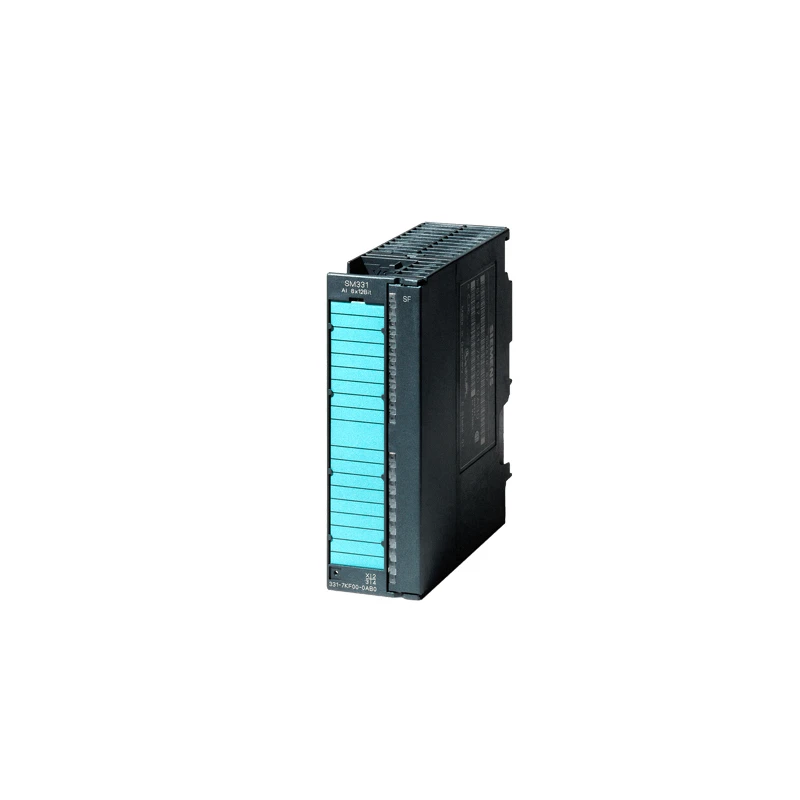
plc system siemens
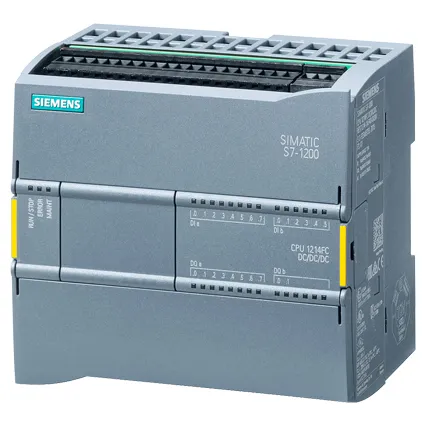
6sl3330 6tg41 2aa3

v90 s7 1200
siemens s7 300 cpu 317 2 pn dp
6es7 341 1ch02 0ae0 manual
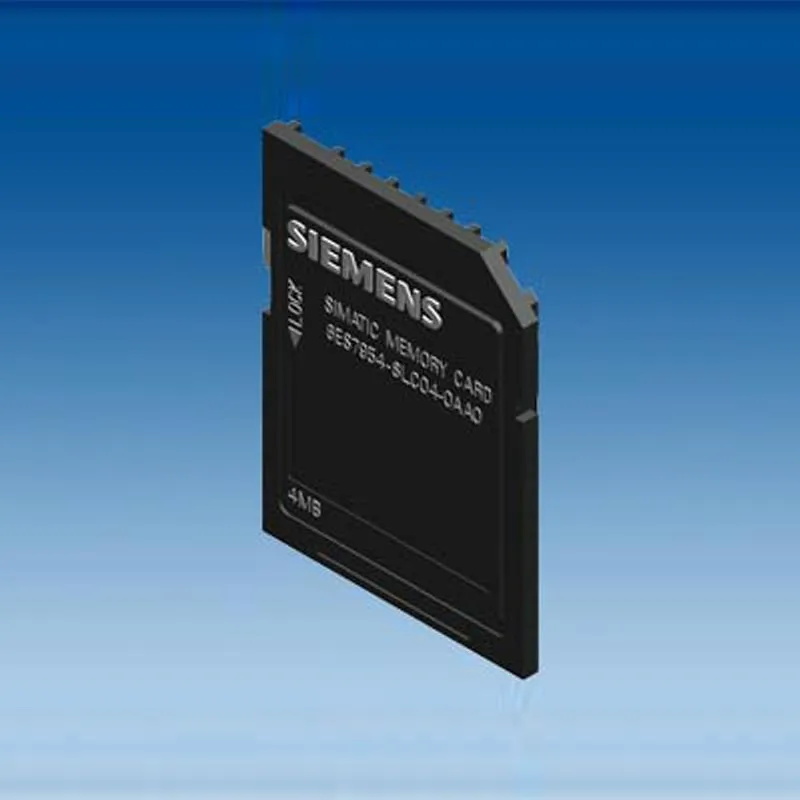
ktp 400
simatic hmi ktp700 basic manual pdf
We focus on providing one - stop international trade solutions including product procurement, international... logistics market consulting and supply chain management services
-
2026-04-06 03:41
devices_that_are_controlled_by_central_processing_unit
Central Processing Unit (CPU) types play a pivotal role in defining computing and automation efficiency and performance across industries. This in-depth guide reveals central processing unit types , their specifications, technical advantages, vendor comparisons, customization solutions, and real-world case applications—all underpinned by data, diagrams, and professional standards. Discover trends,
-
2026-04-06 03:40
siemens_cpu_1511
compact cpu,cpu 313c 2 ptp,cpu 313c is a key solution in the Industrial Automation industry, specifically within Industrial control system and And programmable controllers. This article explores how Tianjin Yongkai International Trade Co., Ltd. supports professionals with durable, high-performance products, and explains why this product is an ideal choice for businesses in these sectors. Table of
-
2026-04-06 03:22
6av2124_0mc24_0bx0
6sl3244 0bb12 1pa1, 6sl3244 0bb13 1fa0, 6sl3255 0aa00 4ja2 is a key solution in the manufacturing industry, specifically within Electrical machinery and equipment manufacturing industry and Industrial control equipment manufacturing industry. This article explores how Tianjin Yongkai International Trade Co., Ltd. supports professionals with durable, high-performance products, and explains why this
Call Us or Fill the Form
- +8613821343088 +8613603111169
- xudong.an@tianjingyongkai.com
-
Room 1 - 543, Building E, Zhonghui Xiyuan Plaza, Central Business District, Binhai, Tianjin